Homemade Dog Food Recipes for Grain-Free Diets
 Introduction
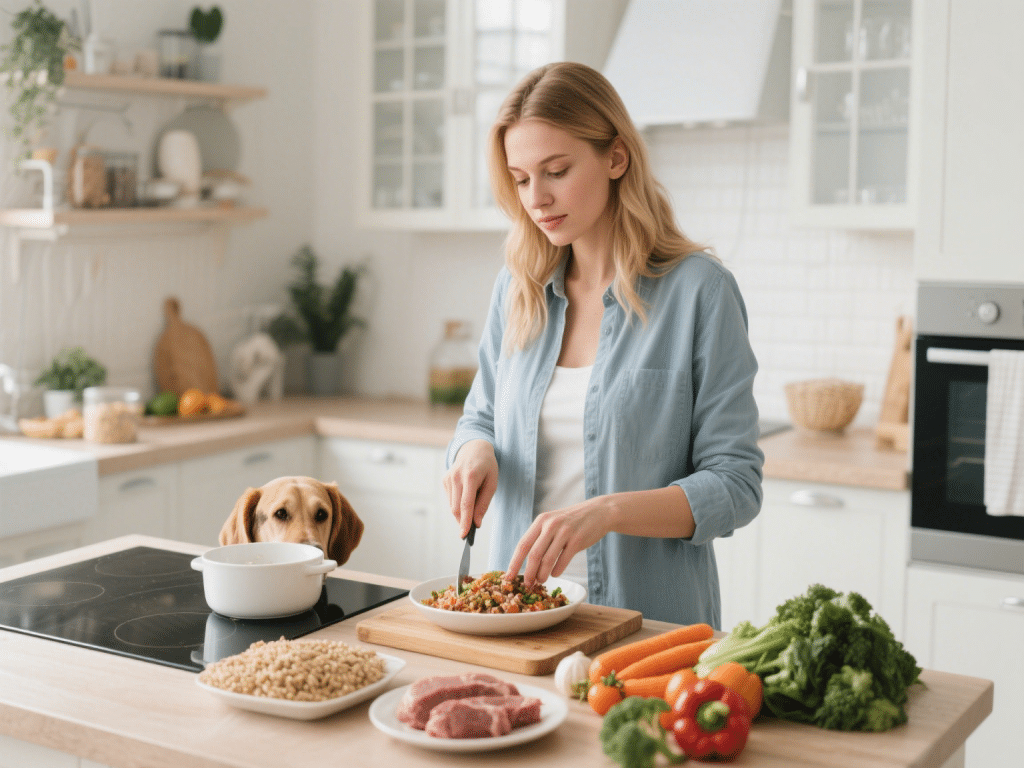
Grain-free diets for dogs aim to reduce food sensitivities and support digestive health. By preparing homemade grain-free meals, pet owners control ingredient quality, freshness, and nutrient balance. Below are three vet-recommended recipes, feeding guidelines, and tips for safe preparation.
1. Nutritional Principles of Grain-Free Diets
Protein Focus: Use lean meats (chicken, turkey, beef) as the primary protein source.
Low-Starch Vegetables: Incorporate vegetables like peas, green beans, and carrots for fiber and vitamins.
Healthy Fats: Include fish oil or flaxseed oil to provide essential omega-3 fatty acids for skin and coat health.
Calcium Source: Add eggshell powder or ground bone meal to maintain proper calcium-to-phosphorus ratios.
2. Recipe 1: Chicken & Sweet Potato Delight
Ingredients (per 4 cups)
2 cups cooked, shredded chicken breast
1 cup mashed sweet potatoes (steamed)
1 cup steamed green beans, chopped
2 tablespoons fish oil
1 teaspoon eggshell powder (calcium source)
Instructions
Combine shredded chicken, mashed sweet potatoes, and chopped green beans in a large bowl.
Drizzle fish oil and sprinkle eggshell powder; mix thoroughly until evenly coated.
Divide into daily portions; refrigerate up to 4 days or freeze for up to 2 weeks.
3. Recipe 2: Beef & Pumpkin Medley
Ingredients (per 4 cups)
2 cups lean ground beef, cooked and drained
1 cup pureed pumpkin (unsweetened)
1 cup steamed broccoli florets, chopped
2 tablespoons coconut oil
1 teaspoon dried kelp powder (iodine source)
Instructions
Brown the ground beef, drain excess fat, and allow to cool slightly.
In a mixing bowl, combine beef, pumpkin puree, and chopped broccoli.
Stir in coconut oil and kelp powder until evenly distributed.
Portion into containers; store in refrigerator for up to 3 days or freeze for future use.
4. Recipe 3: Turkey & Spinach Feast
Ingredients (per 4 cups)
2 cups ground turkey, cooked and drained
1 cup chopped spinach (lightly sautéed)
1 cup cauliflower rice (steamed)
2 tablespoons flaxseed oil
½ teaspoon taurine supplement (heart support)
Instructions
Cook ground turkey until fully done; drain and cool.
Sauté spinach until wilted; combine with turkey and cauliflower rice in a bowl.
Mix in flaxseed oil and taurine supplement; ensure uniform distribution.
Portion and store refrigerated for up to 3 days, or freeze.
5. Feeding Guidelines & Tips
Portion Control: Dogs require approximately 2–3% of their body weight per day. Adjust recipes accordingly.
Transition Slowly: Mix new grain-free meals with existing food over 7–10 days to avoid gastrointestinal upset.
Hydration: Always provide fresh water; homemade diets can be denser, so ensure adequate fluid intake.
Veterinary Consultation: Before long-term use, consult your veterinarian to verify nutrient adequacy and address specific health needs.
Conclusion
Grain-free homemade dog food recipes can support sensitive dogs and offer tailored nutrition. By using quality proteins, nutrient-rich vegetables, and balanced supplements, you create wholesome, palatable meals. Monitor your dog’s weight, coat condition, and energy levels, adjusting portions and ingredients as needed to maintain optimal health.